
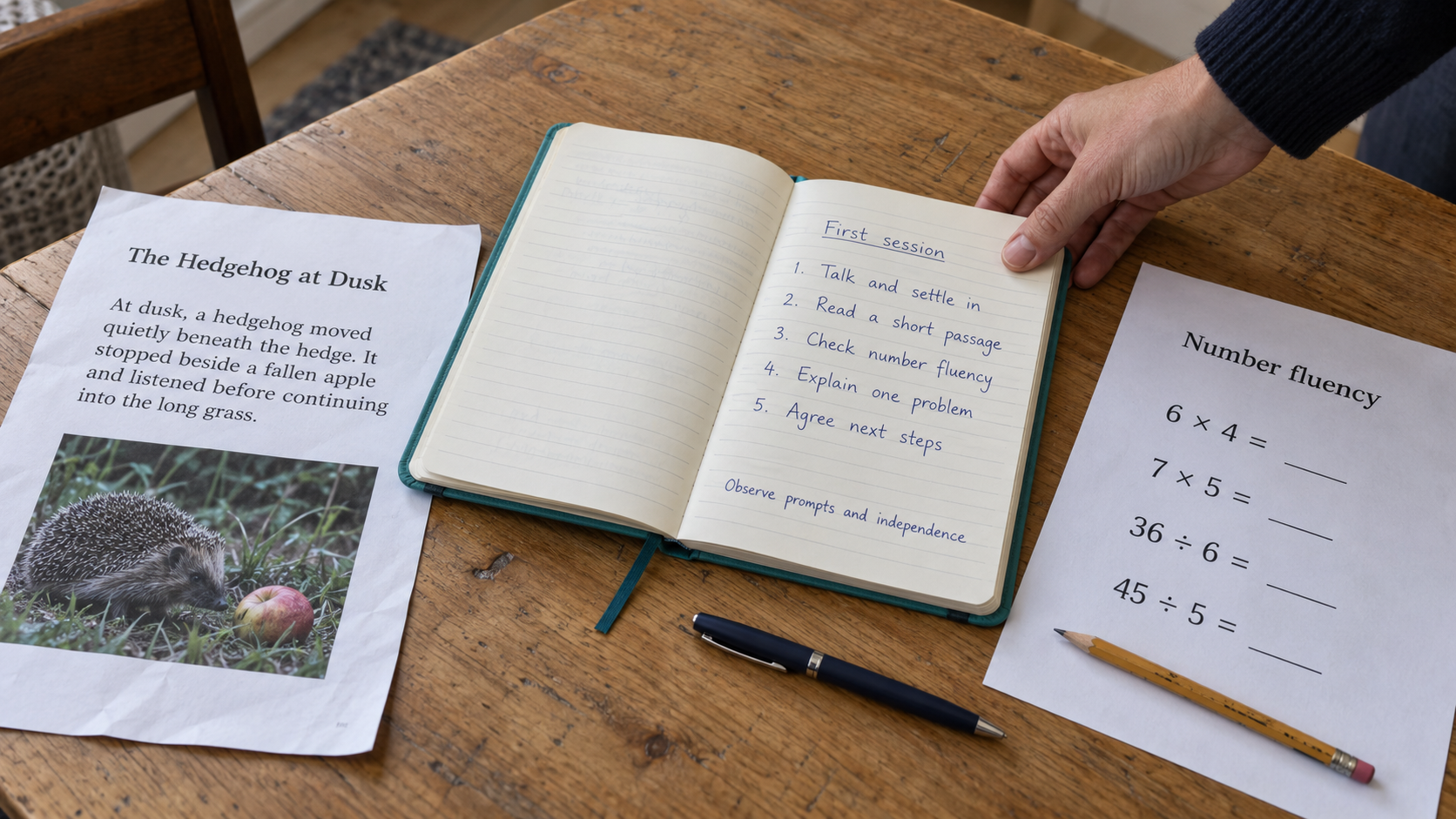
What I look for in the first tutoring session
A useful first tutoring session is not about producing a thick folder of work. It is about finding the point where learning is secure, where it begins to wobble and what kind of teaching helps the student move forward.
Parents sometimes ask whether the first tutoring session will be a test. The answer is yes and no.
I do need to assess what a student can do. Without that, I would be guessing about what to teach. But I do not want the first meeting to feel like an hour-long examination in which every mistake is silently recorded. That would tell me very little about how the student learns when they feel safe, supported and appropriately challenged.
The first session is therefore a working assessment. We do some real learning, but I am also watching carefully: what is secure, what is hesitant, what kinds of prompts help, and where the student begins to lose the thread.
The assessment begins before the lesson
The most useful starting point is usually a conversation with the parent or carer. I want to know what has prompted the enquiry, what school has said, which parts of learning appear easiest and what the student finds frustrating.
Where relevant, school reports, assessment information or an EHCP can add useful context. They do not replace meeting the student. A document can describe needs and attainment, but it cannot show me how this particular student responds to a new adult, an unfamiliar question or a carefully chosen explanation.
I am also interested in what has already been tried. If three different people have used the same explanation and it has not helped, repeating it more loudly is unlikely to be the breakthrough.
First, I look for a workable relationship
Learning requires trust, but trust does not mean that the first session needs to become an hour of games and general conversation. Most students also want to know that the adult is competent, the session has a purpose and they are not going to be embarrassed.
I try to make the structure clear: what we are going to do, roughly how long each part will take and what will happen if something feels difficult. Predictability reduces unnecessary uncertainty. It also lets me see the student's learning more accurately, rather than mainly seeing their reaction to a confusing situation.
Then I find a secure starting point
I rarely begin with the hardest material a parent has mentioned. Starting at the point of failure may confirm that a problem exists, but it does not show me how the foundations fit together.
Instead, I begin with something the student is likely to manage and then increase the demand. In maths, that might mean moving from a straightforward calculation to a less familiar representation or a word problem. In reading, it might mean checking accurate decoding before asking for an explanation, inference or comparison. In writing, I may listen to the student's ideas before looking at how they organise and control them on the page.
This helps locate the boundary between secure knowledge and guesswork. That boundary is usually the most productive place to teach.
Six things I am observing
1. Knowledge
What does the student actually know without hints? Missing knowledge is not a character flaw. It is information about what needs teaching.
2. Fluency
Can they retrieve and use that knowledge efficiently, or does every small step consume so much attention that the main task becomes overwhelming? A child may understand multiplication but still struggle with a multi-step problem because basic facts are not yet readily available.
3. Transfer
Can they use a familiar method when the question looks different? Copying a procedure beside a worked example is not the same as selecting it independently in a new context.
4. Language
Can the student explain what they are doing? Do particular words in the question create difficulty? Sometimes what appears to be a maths problem is partly a reading problem; sometimes an English answer is limited because the student understands the text but lacks the language to express the idea precisely.
5. Independence
What happens when I stop prompting? Some students are more capable than their written work suggests but have become accustomed to waiting for confirmation after every step. I want support to help them move, not quietly become another dependency.
6. Work tolerance
How long can the student think productively before the quality of attention falls? This matters particularly for younger children, anxious students and learners with additional needs. Session length should be based on useful learning, not simply on what fits neatly into a one-hour booking slot.
Mistakes are some of the best information
A correct answer tells me that something worked. A mistake can tell me where the model broke down. Did the student misread the instruction? Choose the wrong operation? Forget a fact? Lose track halfway through? Know the answer aloud but struggle to record it?
Those are different problems and they need different teaching. Simply marking all of them wrong would waste the most useful evidence in the session.
What parents should receive afterwards
After an initial session, I should be able to give a clearer account of the starting point. That does not mean pretending that every need can be fully diagnosed in sixty minutes. It means identifying the most likely priorities and explaining what I would teach first.
A useful plan should answer four questions: What is secure? What is getting in the way? What is the first teaching priority? How will we know whether it is improving?
The plan may change as I learn more. Good assessment is not a ceremony completed once at the beginning. It continues through every explanation, question, pause and independent attempt.
What I do not want the first session to be
I do not want it to be a generic worksheet completed for the sake of looking busy. I do not want to rush into the student's hardest topic before establishing the foundations. And I do not want a child to leave believing that the purpose of tuition is to collect evidence of everything they cannot do.
The first session should leave us with something more useful: a realistic starting point, an achievable next step and a student who has already experienced at least one moment of genuine success.
If you are considering tuition, you can book a free 15-minute conversation before any first session. We can discuss your child's current position, any information from school and what you would like support to change.
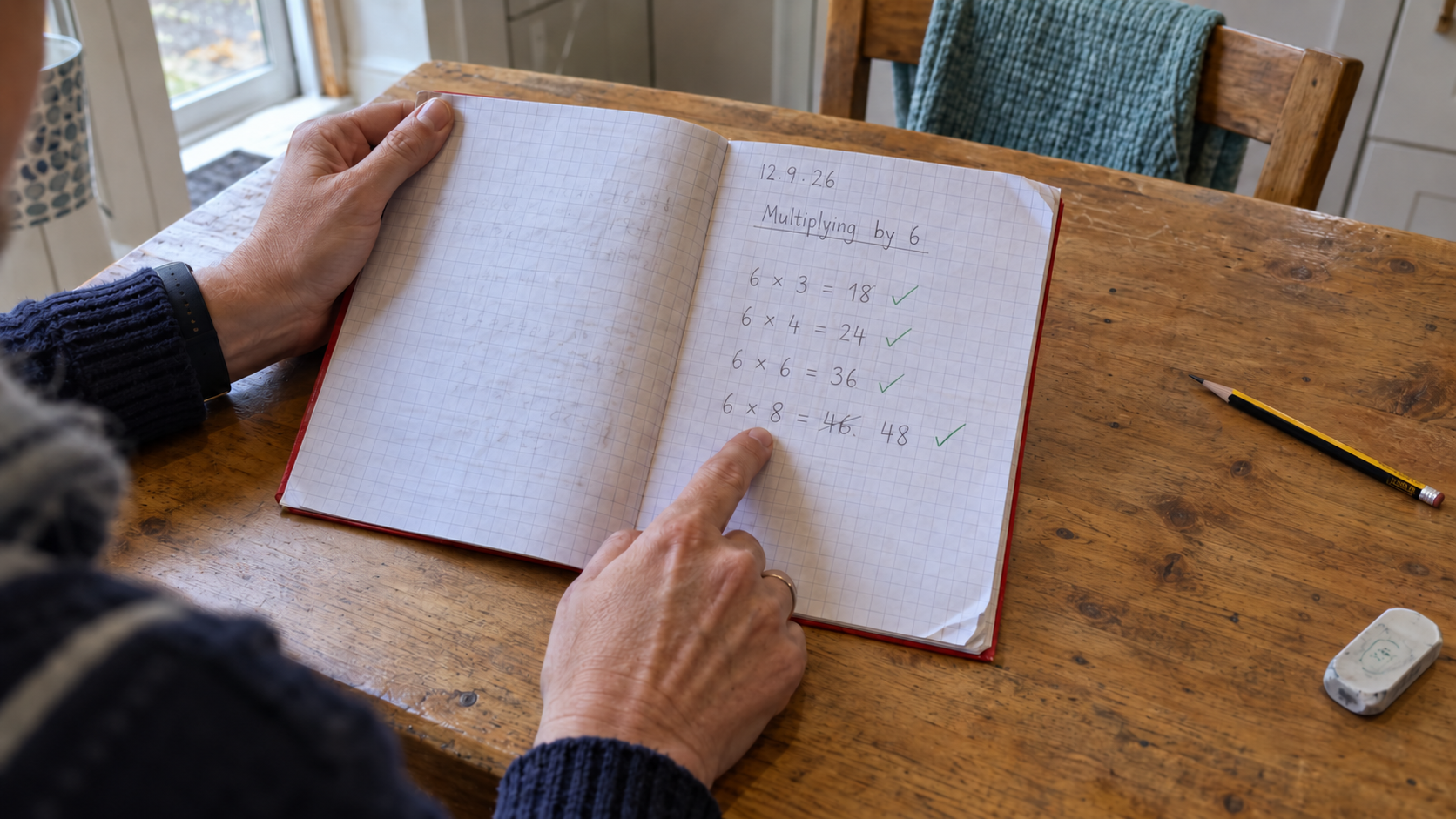
Does my child need a tutor - or simply more time?
Not every difficult week requires tutoring. This practical guide helps parents distinguish between a temporary wobble, a problem school is already resolving and a persistent gap that would benefit from focused support.
Parents rarely begin looking for a tutor because everything is going smoothly. Usually, something has started to feel uncertain. Homework is taking too long. A teacher has mentioned a gap. A child who used to enjoy reading now avoids it, or a capable student has begun saying, 'I am just bad at maths.'
The difficult question is not whether extra help could be useful in theory. Almost every child would benefit from more individual attention. The real question is whether tutoring is the most sensible response now.
My honest view is that not every wobble needs a tutor. Sometimes a child needs time to adjust, a clearer conversation with school or a little more practice with a new method. Tuition becomes valuable when waiting is no longer changing the pattern.
When more time may be enough
Learning is not perfectly smooth. A new topic can feel difficult for several lessons before it clicks. A change of teacher, class or school can temporarily affect confidence and concentration. After absence or a long holiday, recall can also be rusty without indicating a serious gap.
It may be reasonable to watch and wait when:
the difficulty has appeared very recently
your child is still willing to attempt the work
the teacher can explain what is being done and when it will be reviewed
you can already see small signs of improvement
there is no single skill that repeatedly blocks later work
Waiting should still be active rather than vague. Agree what improvement would look like and when you will check again. 'Let's see how things look after three more weeks of this intervention' is a plan. 'Let's hope it sorts itself out eventually' is not.
Signs that focused tuition may help
Tutoring is most useful when there is a problem that can be made more specific. 'Falling behind' is too broad. 'Cannot recall number bonds reliably', 'does not understand fractions as quantities' or 'reads the words but cannot explain the paragraph' gives a tutor somewhere productive to begin.
Consider seeking support when one or more of these patterns persists:
· The same gap is still present after school has revisited it.
· New learning keeps collapsing because an earlier foundation is insecure.
· Your child avoids a subject, guesses quickly or gives up before thinking.
· Homework takes far longer than the school expects and requires constant adult prompting.
· Helping at home is damaging the parent-child relationship.
· An assessment, entrance test or exam creates a real deadline for improvement.
None of these automatically proves that weekly tuition is necessary. Together, however, they suggest that more of the same may not be enough.
Five questions that make the decision clearer
1. Can we name the problem?
A good tutor should help turn a general worry into a teachable priority. If nobody can yet describe what the child finds difficult, an initial assessment may be more useful than immediately committing to months of lessons.
2. Is the problem improving?
Look back over several weeks, not one good or bad evening. Is your child becoming more independent? Are mistakes changing? Can they retain the method a week later? Direction matters.
3. Is school support sufficient for this child?
Schools support a wide range of needs, but a busy classroom cannot always provide unlimited repetition, immediate diagnosis or an explanation tailored to one student. That is not a criticism of teachers. It is a practical limit of teaching many children at once.
4. Can home support remain calm and useful?
Parents know their children exceptionally well, but that does not make every parent the best person to teach every topic. If each practice session becomes an argument, bringing in a neutral adult can protect both the learning and the relationship.
5. What would success look like?
'More confidence' is a worthwhile outcome, but it is difficult to plan or measure on its own. A stronger goal might be reading a short text and answering questions independently, completing arithmetic without relying on counting, or approaching homework without an hour of avoidance.
What tutoring should not become
Tuition should not be an automatic second school day, a punishment for a disappointing report or an endless subscription with no clear purpose. More worksheets are not the same as better teaching. A student who is confused does not need fifty additional opportunities to rehearse the confusion.
Effective tuition begins by identifying the bottleneck. It then uses clear explanation, modelling, guided practice and independent practice to remove it. Progress should be reviewed, and the plan should change when the evidence changes.
The smallest effective intervention
I generally favour the smallest amount of support that is likely to solve the problem. For many students, one focused session each week is enough. Younger children or students with limited work tolerance may gain more from a shorter session. A time-limited block may suit a specific gap; ongoing tuition may be appropriate where needs are broader or an exam is approaching.
The aim is not to make a child dependent on a tutor. It is to give them the knowledge, methods and successful experiences that allow them to cope more independently.
So, does your child need a tutor? If the problem is recent, improving and already being addressed effectively, perhaps not. If it is persistent, identifiable and beginning to shape how your child sees themselves as a learner, focused support is worth considering.
If you are unsure, a sensible first step is a short conversation rather than an immediate commitment. Tell me what school has said, what you are noticing at home and what feels hardest for your child. I will give you an honest view of whether MR Tutor is likely to help.

How long should it take a child to settle into a new school year?
A difficult first week does not automatically mean that something is wrong. The useful question is whether your child is gradually becoming more secure - or whether the difficulty is staying the same or getting worse.
The start of a new school year is often presented as a clean, exciting beginning. New teacher, new classroom, new books and a fresh chance to get everything right.
For many children, it does not feel quite so tidy. Even a child who was looking forward to going back can come home exhausted, irritable or unusually quiet. A child who seemed confident during the holidays may suddenly complain that the work is too hard, that nobody wants to play with them or that they do not want to go in the next morning.
Parents naturally want to know how long this should last. Is it an ordinary wobble, or the beginning of a problem that needs attention?
The short answer is that there is no fixed settling-in deadline. What matters more than the number of days is the direction in which things are moving.
A few unsettled days can be entirely normal
A new school year places a surprising number of demands on a child at once. They may be learning a different timetable, new expectations, unfamiliar routines and the habits of a new teacher. Friendship groups can shift. The work may suddenly feel more formal or more difficult. Even finding the right tray, remembering PE days and working out when it is safe to ask for help take mental effort.
One thing classroom experience teaches very quickly is that children often save their wobble for home. A student may hold everything together during the school day, appear perfectly settled at 3.15, and then unravel in the place where they feel safest. That does not mean the distress is invented. It means they have used a great deal of energy managing the day.
Tiredness, a shorter temper, wanting more reassurance or needing an earlier bedtime can therefore be part of settling. The important question is whether those reactions begin to soften as the routines become familiar.
Look for direction, not perfection
A child does not need to bounce out of school every afternoon declaring that it was brilliant. A more realistic sign of progress might be that they can name one person they spoke to, one lesson that felt manageable or one part of the day they understand better than they did last week.
Useful signs that a child is beginning to settle include:
· the morning routine becoming a little easier
· talking about specific parts of the day rather than saying that everything was awful
· recovering more quickly after a difficult lesson or friendship problem
· showing some curiosity about upcoming activities
· being able to identify an adult or classmate they can approach
Progress may be uneven. A good Tuesday can still be followed by a difficult Wednesday. What you are looking for is a gradual increase in security, not a flawless week.
When waiting is no longer the best plan
Time helps when a child is adjusting. Time on its own is less useful when there is a specific problem that nobody has yet identified.
It is worth speaking to school sooner if your child is becoming more distressed rather than less, repeatedly saying they feel unsafe, struggling to attend, or describing the same academic or social difficulty day after day. Sudden changes in sleep, appetite or physical complaints also deserve careful attention, particularly when they are persistent.
You do not need to wait for an arbitrary three-week or six-week point if something clearly feels wrong. Concerns about bullying, safety or a child's wellbeing should be raised promptly with the school. Tutoring is not the answer to those problems, and no responsible tutor should pretend that it is.
Four useful things parents can do
1. Ask narrower questions
'How was school?' is a very large question, especially for a tired child. Try asking what felt easiest, what felt longest, who they sat beside, or whether there was a moment when they knew exactly what to do. Specific questions are more likely to reveal a specific problem.
2. Keep home predictable
The first weeks of term are not usually the best time to fill every evening with extra work. A reliable meal, time to decompress, a clear bedtime and calm preparation for the next morning often do more good than another worksheet.
3. Speak to school using examples
Teachers can respond much more effectively to 'Sam has cried about maths three evenings this week and says he cannot keep up with column subtraction' than to 'Sam hates school'. Dates, patterns and the child's own words help school look in the right place.
4. Solve the smallest real problem first
Children can describe the whole school year as a disaster when one repeated difficulty is dominating it. If the real problem is not understanding a maths method, losing track of written instructions or having nobody to sit with at lunch, start there. A problem that can be named is far easier to address.
Where tutoring can help
Tutoring may be useful when the unsettled feeling is being driven by an academic gap. A child who enters every maths lesson expecting not to understand, or who reads accurately but cannot follow the meaning of a text, is not simply waiting to feel more confident. They may need the missing knowledge taught clearly and at a pace that allows it to become secure.
Good tuition should reduce uncertainty, not add another source of pressure. It should identify the point at which the work becomes difficult, teach that part explicitly and give the child enough successful practice to feel more capable the next time they meet it in school.
The beginning of term is a transition, not a test that children either pass or fail. Give ordinary wobbles room to settle, but trust patterns more than reassurances. If the same difficulty keeps returning, naming it and acting on it is usually kinder than simply hoping it disappears.
If your child is struggling to settle because English or maths already feels overwhelming, MR Tutor offers calm, structured tuition in Felixstowe and online. You are welcome to book a free 15-minute chat to talk through what you are seeing and whether tuition is the right next step.
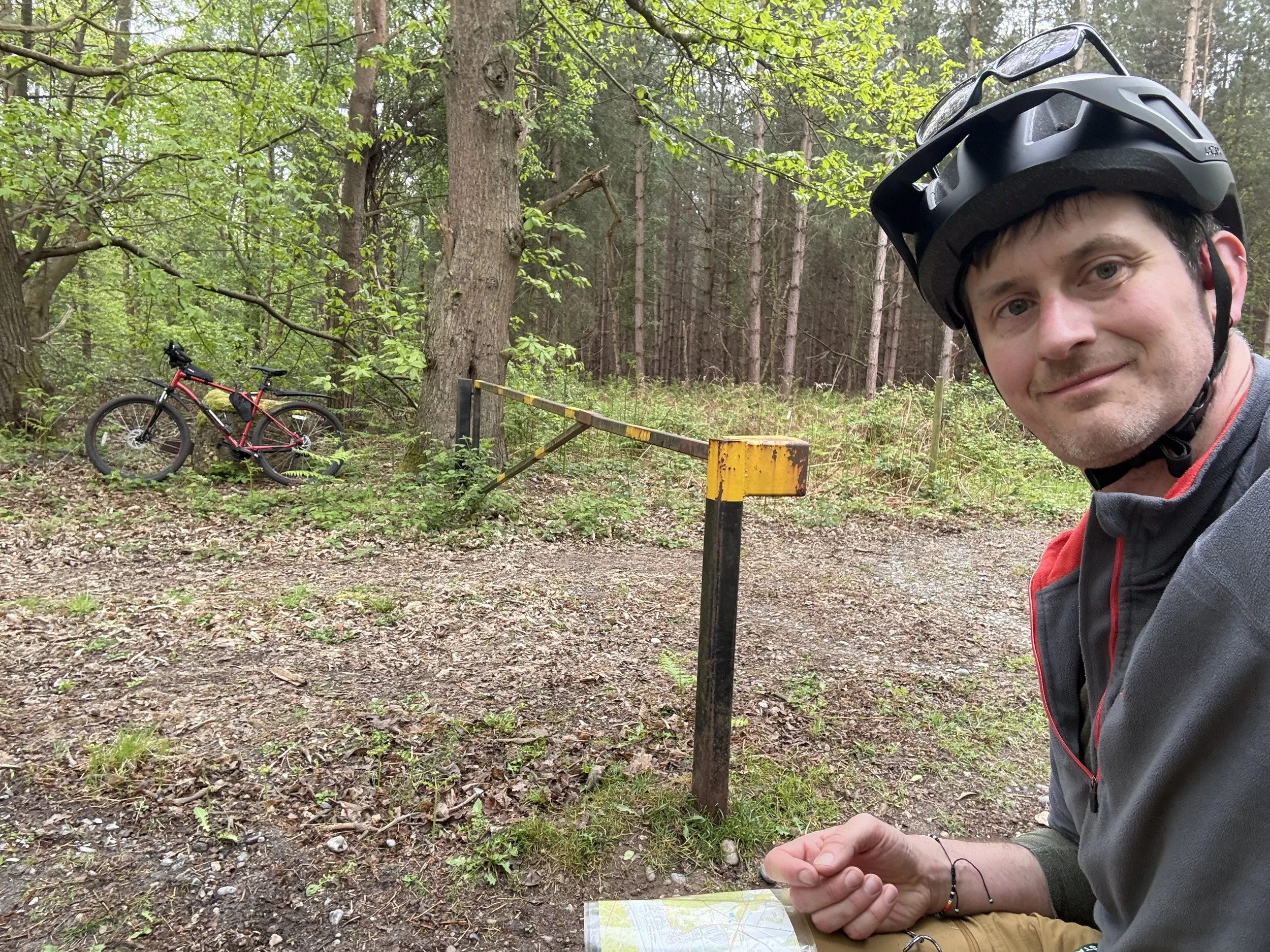
What DofE Assessing Taught Me About Confidence, Learning and Resilience
One of the things I enjoy most about my work is the way different parts of it connect. At first glance, classroom teaching, private tutoring and outdoor education might seem like separate worlds. One happens at a desk, one often happens over Zoom or around a kitchen table, and one might involve maps, tents, waterproofs and a group of young people finding their way through woodland or countryside.
In practice, they are much more closely linked than they first appear.
Alongside my teaching and tutoring work through MR Tutor, I also work as a DofE Assessor. Recently, I have had the opportunity to support expeditions through East Coast Outdoors, a DofE Approved Activity Provider. For me, this brings together several strands of my experience: teaching, outdoor education, navigation, first aid, Scouts, Mountain Leader training and, most importantly, working with young people as they build confidence in unfamiliar situations.
Learning does not only happen in classrooms
Some of the most powerful learning moments happen when young people are slightly outside their comfort zone.
That does not mean throwing them into situations they are not ready for. Good teaching, whether indoors or outdoors, is not about setting children up to fail. It is about giving them the right amount of challenge, the right amount of support, and enough space to discover that they are more capable than they realised.
This is one of the things I love about DofE. A Bronze expedition is not just a walk with a tent. It asks young people to organise themselves, manage tiredness, work as a team, navigate, make decisions, cook safely, look after their kit and keep going when things feel difficult.
Those are not just outdoor skills. They are learning skills.
Confidence is built through doing
In tutoring, confidence is often the missing piece.
A child might be able to do the maths, but panic when the question looks unfamiliar. A GCSE student might understand a text, but freeze when asked to write an answer under timed conditions. A younger pupil might have good ideas, but lack the confidence to get them down on paper.
Outdoor education shows the same pattern in a very visible way. A young person who is unsure at the start of a route can begin to grow in confidence once they realise they can read the map, make decisions, recover from small mistakes and keep moving forward.
That process matters.
Confidence is not built by simply telling a child, “You can do it.” It is built when they experience themselves doing it. They need small, manageable successes that gradually change the story they tell themselves about what they are capable of.
That is exactly the same principle I use in tuition.
Navigation, problem-solving and tutoring have more in common than you might think
Navigation is a brilliant example of applied problem-solving. You have information in front of you, but you still have to interpret it. You have to notice detail, make a plan, check whether the evidence fits, and adjust if something does not seem right.
That is not a million miles away from solving a multi-step maths problem, answering an inference question in reading, or planning an essay.
In all of those situations, young people need to slow down enough to ask:
What do I already know?
What information is in front of me?
What is the question really asking?
What is my next sensible step?
Those habits are teachable. They are also transferable. A pupil who learns to pause, think and make a plan in one setting can begin to apply that same approach elsewhere.
First aid, safety and calm judgement
My outdoor first aid training has also shaped the way I think about working with young people. First aid is not only about knowing what to do in an emergency. It is also about staying calm, assessing the situation, prioritising, communicating clearly and acting proportionately.
Those same qualities matter in education.
Children and teenagers do not always need someone to rush in and take over. Sometimes they need an adult who can remain calm, read the situation accurately, and give them just enough support to take the next step themselves.
That is true whether a young person is struggling with a route choice on expedition, a tricky fraction question, a blank page in English, or the pressure of upcoming exams.
From Scouts to DofE to MR Tutor
My interest in outdoor education did not appear from nowhere. Experiences through Scouts, outdoor learning, navigation, climbing and Mountain Leader training have all influenced the way I work with young people.
What runs through all of it is the same basic belief: young people need structure, encouragement and challenge.
Too much pressure, and they shut down.
Too little challenge, and they do not grow.
The right balance, and you can see them begin to stand a little taller.
That is one of the most rewarding parts of both tutoring and outdoor education. You get to see the moment when a young person realises they are not as stuck, not as helpless, and not as incapable as they thought.
What this means for MR Tutor
At MR Tutor, my aim is not just to help pupils get through the next worksheet, test or exam. Of course, academic progress matters. SATs, GCSEs, reading, writing and maths all require careful, targeted support.
But the bigger goal is to help pupils become more independent, more confident and more willing to tackle challenge.
My outdoor education work strengthens that approach. DofE assessing reminds me that young people often grow most when they are trusted with responsibility. Teaching reminds me that they need clear instruction and careful scaffolding. Tutoring allows me to bring those two things together in a focused, personal way.
Whether I am helping a pupil with fractions, reading comprehension, essay structure or exam technique, the aim is the same: build confidence, develop independence and help them take the next step.
Looking for tutoring support?
MR Tutor provides friendly, structured and personalised tuition for pupils in Felixstowe, Ipswich and the surrounding area, as well as online support across the UK.
If your child would benefit from calm, confidence-building support in English, maths, SATs or GCSE preparation, you are welcome to get in touch and book a free 15-minute chat.

What Good SEND Tutoring Looks Like in Felixstowe and Suffolk
When parents get in touch about SEND tutoring, they are usually not looking for buzzwords or grand promises. What they really want to know is whether their child will be understood properly, whether the support will be tailored to them, and whether it will actually help.
That is a fair question. Many families have already spent a great deal of time trying to explain their child’s needs to different professionals, chasing support, attending meetings and worrying about whether enough is being done. By the time they start looking for a tutor, they are often not just looking for extra academic help. They are looking for someone who will take the time to understand their child as an individual.
Across Felixstowe and Suffolk, there are many children with additional needs who are bright, capable and full of potential, but who have found school difficult for a range of reasons. Sometimes the challenge is rooted in reading, writing or maths itself. Sometimes it is linked to anxiety, sensory overload, attention, processing, communication or confidence. Very often, it is a mixture of things rather than one neat, simple cause.
In my view, good SEND tutoring starts there. It starts with understanding the child in front of you, not just the label attached to them.
Why understanding the individual child matters so much
Children with special educational needs and disabilities do not all need the same thing. Two children with the same diagnosis can present very differently in a learning situation. One may need more processing time. Another may need help managing anxiety around getting things wrong. Another may need very clear routines and predictable structures before they can engage fully.
This is why generic support so often falls flat. If the approach does not match the child, even well-meant help can end up feeling frustrating, overwhelming or discouraging.
Good support is not complicated in theory, but it does require care and thought. It means noticing what helps a child feel secure enough to learn. It means being realistic about pace. It means breaking learning into manageable steps, giving instructions clearly, modelling carefully and building confidence through success rather than pressure.
For some children, that might mean using visual prompts or planning frames. For others, it might mean shorter chunks of work, regular check-ins or more scaffolding at the start. In many cases, it means recognising that confidence and emotional regulation are not separate from learning. They are part of it.
How my SEND training informs my tutoring
I have recently completed the TQUK Level 2 Certificate in Special Educational Needs and Disability to support my work further. That study strengthened my understanding of ways to support children and young people with additional needs, and it also deepened my understanding of the statutory frameworks that help structure support in school.
That includes the role of EHCPs in identifying needs, setting out provision and giving clearer structure to the support a child should receive. An EHCP should never be treated as a document that simply sits in the background. At its best, it provides clarity. It helps ensure that support is not vague or left to chance, and that everyone involved has a clearer understanding of what a child needs and what outcomes they are working towards.
Even where a child does not have an EHCP, the same principle still matters. Support works best when it is informed, consistent and properly thought through. Children make better progress when the adults around them understand their needs clearly and respond in a joined-up way.
What pastoral work has taught me about supporting autistic pupils
Alongside that formal SEND study, I have also worked pastorally in school with children on the autism spectrum. That experience has shaped my thinking a great deal.
It has reinforced for me that behaviour is very often communication. A child who avoids a task may not be refusing to learn. They may be anxious, overwhelmed or unsure how to begin. A child who seems distracted may be processing far more than the adults around them realise. A child who becomes distressed or oppositional may not be trying to be difficult at all. They may simply be dysregulated and struggling to cope with what is being asked of them in that moment.
That is why I do not think good support comes from simply insisting harder. It comes from understanding what is getting in the way and adjusting the approach accordingly.
In practice, that can mean reducing unnecessary pressure, giving one instruction at a time, allowing more thinking time, keeping routines consistent and making the learning environment feel calm and predictable. It can also mean knowing when to pause, when to reframe a task and when to support a child back into learning rather than pushing them further into stress.
Good SEND support should not lower expectations
This is important. Supporting a child well does not mean expecting less of them. It means giving them a fairer route to success.
Too often, children with additional needs begin to absorb the idea that they are behind, bad at school or simply not capable. Once that belief starts to take hold, it can become one of the biggest barriers to progress. A child who has lost confidence will often avoid the very things they most need help with.
This is where tailored tutoring can be so valuable. A calm, well-pitched session can help a child experience success again. It can help them realise that learning does not always have to feel rushed or overwhelming. It can show them that they are capable of making progress when the teaching is clear, the pace is right and the support is shaped around them.
Sometimes the first signs of progress are small, but they matter. It might be a child attempting a piece of writing they would previously have avoided. It might be a pupil sticking with a maths problem for longer instead of giving up quickly. It might simply be a child feeling more relaxed and willing to engage. Those moments are not minor. They are often the start of something much bigger.
What I try to offer through MR Tutor
At MR Tutor, my aim is to offer tutoring that is calm, structured and genuinely tailored to the child. I want sessions to feel clear and purposeful, but never cold or rigid. I want children to feel understood, while still being challenged in the right way.
For some families in Felixstowe and the wider Suffolk area, tutoring is mainly about closing gaps in English or maths. For others, it is also about rebuilding confidence after a difficult experience of school. Often, it is both.
My role is not simply to get through work. It is to help children make meaningful progress, feel more secure in their learning and become more confident over time. That means adapting support carefully, building trust, and keeping expectations high while making learning more accessible.
Every child is different, and good SEND tutoring should reflect that.
Looking for a SEND tutor in Felixstowe or Suffolk?
If you are looking for a SEND tutor in Felixstowe or Suffolk, and you want support that is patient, personalised and informed by both professional experience and specialist SEND study, I would be very happy to talk through your child’s needs.
I offer tailored English and maths tutoring designed to help children feel more confident, more secure and more successful in their learning.

Is It Too Late to Start SATs or GCSE Support?
It is a question many parents ask when exams start to feel very close:
“Is it too late to get support now?”
My honest answer is simple: not at all.
In fact, even one or two high-quality, targeted tutoring sessions can make a real difference in the run-up to SATs or GCSEs. While longer-term support is always valuable, meaningful progress is still possible in a short space of time when the teaching is focused, strategic, and built around the individual child.
One of the biggest issues I see is not a lack of ability. It is a lack of confidence.
So often, I work with intelligent, capable children and young people who have the potential to do well, but who have started to doubt themselves. Sometimes they have gaps in key knowledge. Sometimes they have missed foundations earlier on. Sometimes they simply need someone to break things down clearly, rebuild their self-belief, and show them that they can do it.
That is where targeted support matters.
At MR Tutor, I do not believe in wasting time with generic worksheets or unfocused tutoring. I look carefully at where the gaps are, how much time we have, and what will make the biggest difference as quickly as possible. That might mean revisiting a few essential maths methods, securing key grammar skills for SATs, improving exam technique, or helping a student answer questions with greater confidence and accuracy.
The key is quality over quantity.
A short block of tutoring can still have a strong impact when it is built around the right priorities. Parents have already told me that they have seen clear progress after just a couple of months of support, including improved confidence and better mock exam results. That is not because of endless hours of tutoring. It is because the sessions are carefully targeted and designed to produce tangible results.
I am detail-oriented in my planning, and I care deeply about helping every child achieve their potential. Good education opens doors, and I want the children and young people I work with to feel that those doors are still open to them.
No child should feel that they are “just not good at maths” or “not an English person” when, in reality, they may simply need the right explanation, the right encouragement, and the right strategy at the right time.
So, when is it too late to start SATs or GCSE support?
Only after the exam.
Until then, there is still time to build confidence, close key gaps, improve performance, and help your child walk into the exam room feeling calmer, better prepared, and more capable.
If you know a child or young person who would benefit from targeted, results-driven support, I would be very happy to arrange a chat and talk through how I can help.

When Hard Work Isn’t Quite Enough: A Teacher’s Reflection on SATs
Every day, I see children trying their absolute best.
I see the careful concentration, the rubbed-out answers, the long pause over a question they are not quite sure how to tackle. I see children who want so badly to do well, not only for themselves, but for the people they love. They want to make their families proud. They want to feel ready. They want to walk into their SATs knowing that they can cope.
And yet, for some children, hard work alone is not always enough.
I know this because I am a Year 6 teacher. I see these children every day in real classrooms, with real pressures, real time limits and real gaps in learning that have often built up quietly over time.
Sometimes those gaps are obvious. A child struggles with fractions, arithmetic, spelling, reading fluency or comprehension and it is clear that they need more support.
But very often, the children I worry about most are not the ones making the most noise.
They are the children who stay quiet. The children who copy the method but do not fully understand it. The children who do not put their hand up when they are unsure. The children who seem to be coping well enough to avoid concern, but who are actually carrying uncertainty from one lesson to the next. Over time, those small uncertainties can become real barriers.
That is not because their teachers do not care. Far from it.
Teachers care deeply. Every teacher I know wants the very best for every child in their class. But modern classrooms are busy places. One adult, thirty children, a packed curriculum and constant demands on time mean that even with the best will in the world, some children simply do not get enough focused teaching to fully secure what they need.
That is the reality in many classrooms today.
In a perfect world, every child would have all the time, repetition, explanation and reassurance they need at exactly the right moment. In the real world, schools do an enormous amount with limited time and resources, and some children can still slip under the radar despite everybody’s best efforts.
As SATs get closer, that can begin to show.
A child may know more than they think, but lack confidence. They may understand some topics well, but have hidden gaps that make whole papers feel overwhelming. They may be bright, thoughtful and capable, but need someone to slow things down, explain clearly and help them join everything together.
That is often the difference between surviving and thriving.
So much can influence a child’s education, but one of the biggest game-changers is simple: additional time with an adult.
Time to notice exactly where the confusion starts.
Time to revisit what was missed.
Time to practise without fear of getting it wrong in front of the whole class.
Time to build confidence as well as competence.
That is where targeted one-to-one tuition can make a real difference.
At MR Tutor, I offer personalised SATs support designed to identify gaps, strengthen understanding and help children feel genuinely prepared. Not just drilled in a few tricks, but more secure, more confident and more able to walk into the room believing they can do this.
Because they can.
I have already seen what happens when a child gets the focused attention they have been missing. I have seen children begin to answer with more confidence, tackle questions they would once have avoided and make real progress simply because someone had the time to sit beside them and teach what they specifically needed.
Sometimes it is not that a child is incapable. It is that they have not yet had enough of the right support.
And although SATs are front of mind for many families at this time of year, I am seeing something similar in my tutoring with older students too. I am currently supporting GCSE pupils who are working hard but still carrying gaps in key areas, particularly where confidence has been knocked by topics they never fully secured the first time round. The pattern is often the same: capable children, trying hard, but needing more focused teaching and encouragement than a busy system can always provide.
Sometimes parents already know this.
Maybe you have noticed that your child seems a little more anxious lately. Maybe homework is taking longer than it should. Maybe they say they are fine, but you are not completely convinced. Maybe you have bought the revision books, looked at the websites and meant to sit down and help, but life is busy and time keeps moving.
That does not make you a bad parent. It makes you a real one.
If your child is at risk of flying under the radar, or if they simply have a few areas where some extra focus could make all the difference, now is the time to act.
A little targeted support now can change how they feel going into their SATs and how they perform when they get there.
If that sounds like something your child would benefit from, get in touch with MR Tutor. I offer tailored one-to-one support to close gaps, build confidence and help children approach SATs feeling calmer, stronger and more ready to shine.
Worried your child has a few gaps before SATs? Get in touch with MR Tutor for personalised 1:1 support in Suffolk.

Exam support that actually helps: calm, tailored SATs and GCSE tutoring in Suffolk
Every year, as SATs season approaches, I see the same pattern in Year 6.
Some children are quietly confident. Many are trying hard but feel overwhelmed. A few are carrying a weight that adults do not always spot at first: the sense that one set of papers will define them, that they have to be “ready” in a way that feels impossible, that they cannot afford to slip.
And at the other end of the school journey, I see similar pressures playing out again at GCSE. Teenagers who have absorbed the idea that they are “bad at Maths” or “can’t do English”. Students who could pass, but who have lost momentum, confidence, or belief. Young people who are capable, but stuck.
That is why I run MR Tutor. Not to add more noise, more pressure, or more panic… but to give children and teenagers something that is surprisingly rare in exam prep:
calm, structured support that meets them where they are, and gets them moving forward again.
My approach: calm does not mean soft
When I say calm, I do not mean low expectations.
I mean a space where a child can think.
A space where mistakes are treated as information, not evidence of failure. Where we slow down long enough to rebuild the bits that are wobbly, then speed up again when the foundations are solid. Where practice is purposeful, not endless. Where we work hard, but without the emotional cost that so often comes with “catch-up”.
I am a teacher currently working in Year 6, preparing children for SATs. I understand the current landscape, the pressure points, and the skills that actually move the needle in the real papers. I also tutor teenagers who are aiming to pass their GCSEs, especially those who need a clear route to a Grade 4 (and beyond).
And in both cases, the goal is the same:
build confidence through real competence.
SATs support: Year 6 that feels manageable again
SATs preparation works best when it is steady and targeted, not frantic.
For Year 6 pupils, I focus on:
Closing gaps without making children feel like they are “behind”
Maths fluency + reasoning, with step-by-step methods that reduce cognitive load
Reading comprehension, especially retrieval, inference, and answering in the style the mark scheme rewards
SPaG confidence: punctuation for meaning, sentence control, and the patterns that appear again and again
Test technique that is practical, child-friendly, and never fear-based
Most importantly, I help children feel like SATs is something they can do, not something that is happening to them.
GCSE support: for students who need a pass, quickly and realistically
GCSE tutoring is not about vague motivation talks. It is about a workable plan.
Many of the teenagers I support are aiming for a Grade 4 because that is what unlocks college pathways, apprenticeships, or simply the next step they want. Often, they are closer than they think, but they need:
The missing building blocks explained properly
A simple, repeatable exam method
The right practice (not “more” practice)
Someone steady in the room who does not judge them
That is the work: calm, focused sessions that rebuild the basics and convert them into marks.
SEND-aware tutoring that is genuinely tailored
One of the reasons families come to me is because their child does not thrive in one-size-fits-all support.
I am trained and experienced in working with children and young people with autism, dyslexia, and ADHD, and I have experience supporting school-refusers and home-educated pupils too.
That matters, because “try harder” is not a strategy.
What works is thoughtful adjustment: pacing, clarity, routines, chunking, scaffolding, and teaching in a way that reduces friction and increases success. Often, the first big win is simply helping a child feel understood. After that, learning becomes possible again.
Who I’m best placed to help
You might be considering tutoring because:
Your child is capable but anxious and needs confidence
They are working hard but not seeing results
They need structure and routine to stay on track
They have SEND needs and school support is stretched
They have missed learning through absence, anxiety, or disrupted schooling
You want someone experienced to guide the run-up to SATs or GCSEs with a clear plan
If any of that sounds familiar, you are not alone, and it is not too late to make progress.
A quiet rallying cry
I will be honest: I care deeply about this work.
I have taught long enough to know how quickly a child can internalise the story that they are “not clever”, “not academic”, “not the sort of person who does well in exams”. Those stories can stick for years.
And I have also seen, again and again, how quickly that story can change when the right adult sits beside them and teaches them properly.
Not perfectly. Not magically.
Just consistently, thoughtfully, and with high standards delivered in a calm way.
That is what I offer.
If you’re thinking about getting in touch
If you feel your child could benefit from SATs or GCSE support, I would genuinely love to hear from you. A short message is enough to start: tell me what year group they are in, what you are hoping for, and what feels hardest right now.
From there, we can talk about the most sensible next step.
Because exam success is not about pressure.
It is about clarity, practice that makes sense, and confidence built the right way.
And that is exactly what we can build together.
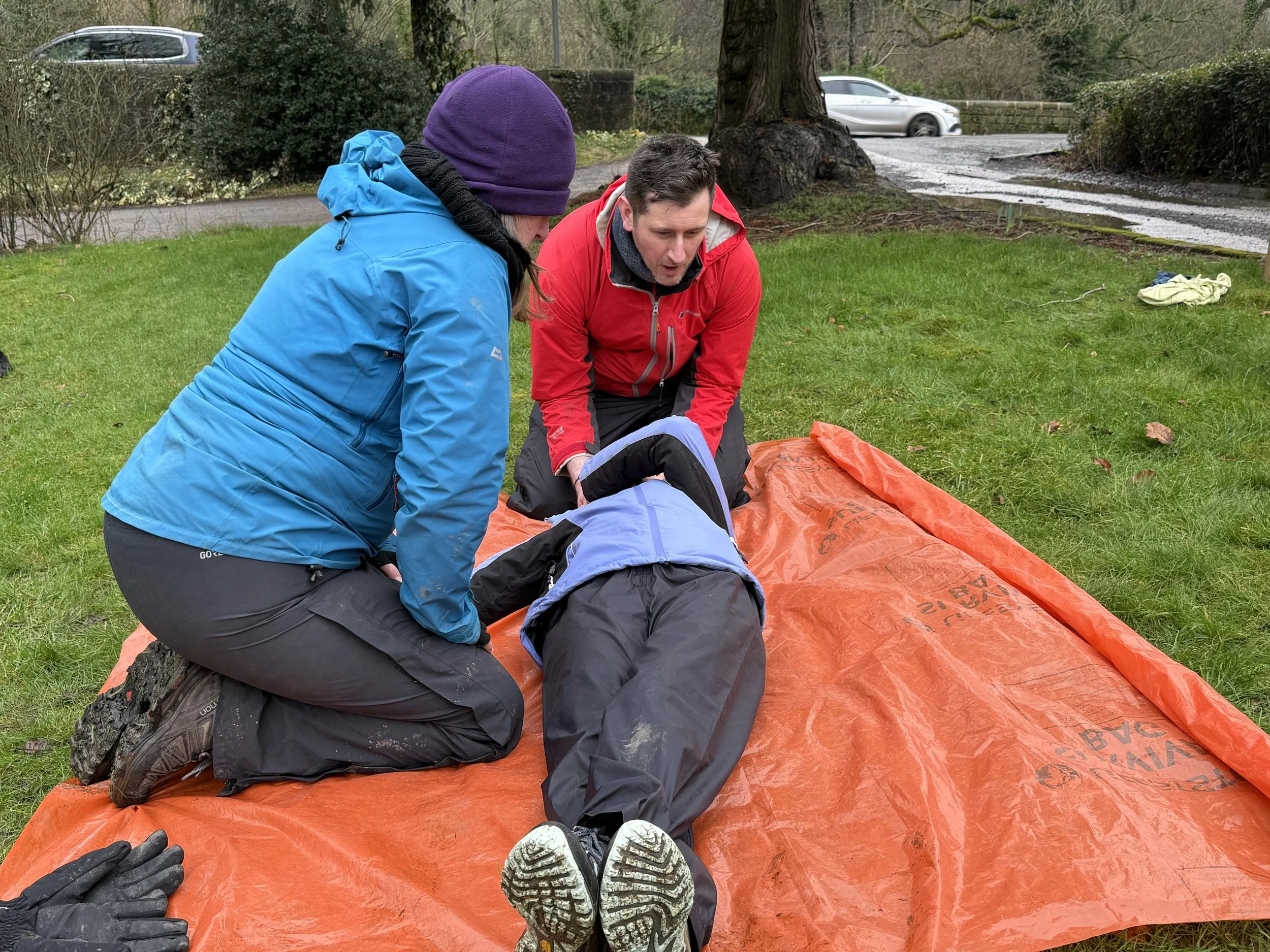
Being Prepared When it Matters Most
Over the weekend I completed my Outdoor First Aid qualification in the Peak District. It was a demanding, intense, and deeply worthwhile couple of days, delivered brilliantly by Stu from Peak Mountaineering.
The course was unapologetically practical. We worked through a wide range of scenarios, from the everyday and manageable to the genuinely serious. That included treating minor cuts and bruises, managing broken limbs, responding to heat stroke, heart attacks, and severe wounds, and even dealing with poisoning from adder bites. We spent significant time looking at how to assess and support spinal, neck, and head injuries, and how to stabilise a casualty while waiting for professional help.
A key part of the training focused on what happens next: how to communicate clearly with emergency services and how to work effectively alongside Mountain Rescue teams when they arrive. We covered CPR in depth, the use of defibrillators, Epipen deployment, and a substantial section on paediatric first aid, which was particularly relevant to my work.
The setting mattered. Training outdoors, often cold, tired, and under time pressure, brings a realism that simply cannot be replicated in a classroom. It forces you to think clearly when conditions are not ideal and to prioritise calm, structured decision-making when someone is frightened, in pain, or deteriorating.
This qualification directly supports my pastoral role in a local primary school, where safeguarding, reassurance, and calm responses are essential. It also offers parents additional confidence that their child is in safe hands when working with me, whether in school, in tuition, or in outdoor contexts.
It also complements my ongoing Mountain Leader training, as I look to offer more outdoor and active opportunities for children and young people across Suffolk. If we want young people to benefit from the physical, emotional, and cognitive advantages of being outdoors, we have a responsibility to ensure that those experiences are well-planned, competently led, and safely supported.
More broadly, I strongly believe that first aid training should not be a one-off experience. It should be revisited throughout life and kept up to date. A society surrounded by trained first aiders is simply a safer one. First aid is not just a professional qualification, it is a life skill.
Many schools I have worked in already do excellent work in this area. For very young children, this might be as simple as knowing who to call in an emergency and how to describe what has happened using accurate vocabulary. For older and more independent children and young people, first aid knowledge can genuinely be life-saving for themselves, their friends, and their families. These are skills that extend far beyond the school gates.
In other news, I have begun taking on clients for GCSE English Literature and Language, as well as GCSE Maths at Foundation level. I will be sharing more about this over the coming weeks, but if you, or a young person you know, have received mock results and are looking at the difference between a grade 3 and a 4 or 5, please do get in touch. I offer personalised, targeted approaches that focus on finding those extra few marks that so often make the difference between just missing and securely achieving those essential grades.
Finally, I am currently reading A History of the World in 47 Borders by John Elledge. It is an absolutely compelling tour of world history through the lens of borders. What can seem like little more than lines on a map actually represents centuries, sometimes millennia, of social, political, and cultural history, forces that continue to shape the world today. It is one of those rare books that makes you see familiar things differently, and I genuinely cannot wait to open its pages each night before going to sleep.

National Year of Reading 2026: Go All In
2026 is the National Year of Reading and MR Tutor is proud to be going all in.
Reading underpins confidence, communication and lifelong learning. This year, I’m pledging targeted reading support, practical guidance for families, and a renewed focus on reading for pleasure, including support for reluctant and disengaged readers.
From phonics and fluency to comprehension and SATs preparation, this post explains why reading matters, what MR Tutor is committing to in 2026, and how just ten minutes a day can change a child’s outcomes.
Happy New Year, and welcome back to MR Tutor’s first blog post of 2026. I hope the start of the year has been kind to you. For me, returning to work in January always carries a sense of optimism, especially when there’s a national moment like the National Year of Reading 2026 to rally around.
This year, the UK has declared 2026 the National Year of Reading: a campaign designed to help more people rediscover the joy, meaning, and culture of reading. Branded Go All In, the initiative is led by the Department for Education and delivered by a coalition of literacy partners, with support from organisations including the National Literacy Trust, The Reading Agency, BookTrust, World Book Day, and Queen’s Reading Room, among others. Its aim is to address the sharp decline in reading for pleasure and to make reading relevant across homes, schools, workplaces, and communities.
Go All In isn’t about guilt or obligation; it’s about meeting people where they are and showing that reading isn’t a separate world but is embedded in culture, passions, and everyday life. The core message is simple: if you’re into something, whether that’s football, film, science, baking, crafts or history, reading can take you deeper into it.
Why I’m Proud to Pledge
As a tutor and educator, I’ve seen both the challenges and tremendous opportunities that reading presents. That is why MR Tutor has pledged significant support to this national movement. Here is what we have committed to:
Pledge 1: Targeted Reading Support
Structured one-to-one and small-group reading tuition for ages 5–14, prioritising decoding, fluency, vocabulary and comprehension using evidence-informed approaches, including systematic phonics where appropriate.
Pledge 2: Supporting Families to Read at Home
Providing parents and carers with clear, practical advice on book selection, reading routines, questioning for comprehension, and alignment with school reading schemes.
Pledge 3: Promoting Reading for Pleasure
Encouraging children’s engagement with high-quality fiction and non-fiction matched to interests and reading level, with regular discussion and author recommendations to make reading meaningful and enjoyable.
Pledge 4: Re-engaging Reluctant and Disengaged Readers
Working specifically with children who are reluctant readers or disengaged, including those with additional support needs, with short, achievable reading goals and personalised texts to rebuild confidence.
Pledge 5: Strengthening Reading Across the Curriculum
Helping pupils apply reading skills in science, history and geography by teaching subject-specific vocabulary and strategies for extracting key ideas from informational texts.
Pledge 6: Professional Advocacy for Evidence-Informed Reading Practice
Advocating for research-based reading instruction and sharing insights with parents and educators about the foundational importance of phonics, fluency and language comprehension.
These pledges reflect what I know to be true from years of classroom experience and tutoring: reading is not just a skill to be taught; it is a gateway to learning, confidence, connection, and lifelong curiosity.
What Reading Means to Me
Growing up, reading was a constant friend. To this day, if I have a moment to spare, I love to put my head in a book. While I aim for an hour a day, ten minutes a day can significantly improve a child’s reading outcomes. It doesn’t need to be long; it just needs to be regular.
In my time as a teacher and tutor, I have seen firsthand why reading matters:
Children who read seem more settled, with a constructive low-tech boredom cure at hand.
They educate themselves beyond the classroom.
They become more skilled communicators, with expanded vocabulary and empathy for experiences different from their own.
Books expand imagination and offer a form of “slow entertainment” that counters the instant gratification of screens.
Books can be affordable and sustainable – from libraries or second-hand, and passed down through generations.
Almost all modern workplaces involve reading, making literacy a lifelong advantage.
Reading together builds shared family pleasure and connection.
One of my favourite teaching moments is reading aloud to a class, using voices, pausing to explore vocabulary, feeling the rhythm of Julia Donaldson's rhymes, and getting lost in the music of language. This simple act can spark enchantment and curiosity far beyond the text.
This week, I was reading a Dylan Thomas poem with a nine-year-old who had struggled with comprehension earlier in the year. Watching that child not just access but understand and enjoy the text reaffirmed why this work matters. I also witness the transformation that phonological awareness can bring, opening the door to confidence, imagination, and self-expression.
My tutoring focuses on both confidence and achievement, and progress is tracked through professional assessment and thoughtful judgment on next steps.
What’s Coming in 2026
This year, MR Tutor plans to Go All In with a series of activities:
Extra-curricular reading clubs for children
Free support for parents on how to help reading progress at home
Collaborations with local bookshops and authors
Reading-focused SATs preparation sessions
Support sessions for parents who want to help their children with SATs reading
All this complements our SATs booster sessions, more on those later in the year.
What I’ve Been Reading
Over Christmas and New Year:
The Age of the Strongman by Gideon Rachman. A haunting reminder of the cost of ignorance and the power of reading history.
Dogs of War by Frederick Forsyth. Pulpy, well-paced action and a palate cleanser.
Gulliver’s Travels by Jonathan Swift. As sharply satirical and powerful as ever.
Harry Potter and the Philosopher’s Stone (full-cast audiobook). A brilliant production that brings childhood magic to life; top performances from Hugh Laurie and Mark Addy as Dumbledore and Hagrid.
What I’m reading now:
Nexus by Yuval Noah Harari. A thoughtful continuation of themes from Homo Deus. Harari’s early discussion of AI resonates even more in today’s ever-changing world.
Reading is not just an academic skill; it is a human one, connecting us to ideas, to each other, and to ourselves. This National Year of Reading is a chance for all of us to re-engage, share, and cultivate that power.
Let’s Go All In.
Find out more at: https://goallin.org.uk

Coming Home as a Teacher: Returning to My Old Primary School
Stepping back into my old primary school in Felixstowe felt strangely like stepping through time. I walked past classrooms where I once sat as a wide-eyed pupil in 1996, worrying about SATs and puzzling over handwriting joins — only now I entered those same rooms as a fully-fledged teacher. It’s the first time I’ve experienced school life from both sides in the very same building, and it has been far more powerful than I expected.
The school's landscape has changed, of course. The blackboards I learned from have long since gone, replaced by sleek interactive whiteboards glowing with digital ink. Some of the classrooms that once echoed with the noise of our times tables are now nurturing spaces; calm, supportive rooms that reflect the growing awareness of children’s mental health and wellbeing. The trees we used to climb and play around are now off limits, unsurprising with today’s health and safety expectations, though the conkers still fall each autumn as if unchanged by time.
Yet so much is the same. The old climbing frames are still perched along the hall’s sidelines like familiar friends. The rhythm of learning feels unchanged, too; the medium might now be an IWB rather than chalk, but the core of education - children learning, questioning, discovering - remains reassuringly steady.
What surprised me most, though, was how quickly I slipped back into my younger self's perspective. Standing in a Year 6 classroom, I could vividly picture myself at that age, sitting right there, imagining the future, wondering what secondary school would be like. That feeling of dual perspective, teacher and former pupil combined, has sharpened my empathy for the children I now work with. It’s easier to meet them where they are when I can remember exactly what it felt like to be them.
And then there’s something deeply grounding about recognising surnames in the register, seeing people I went to school with now bringing in their own children, and hearing Suffolk accents that feel like home. After years away, I spent a long time searching for belonging without realising I already had somewhere I belonged. Returning here hasn’t just been a geographical homecoming; it’s been a professional and personal one too.
Teaching geography recently, I found myself drawing on my knowledge of Felixstowe's beaches, ports, heathland, and estuaries, not as abstract examples but as part of our shared story. These children aren’t just pupils I teach; they’re the young of my people. Supporting their learning feels like contributing to the future of a community that raised me.
It’s reminded me of something important we often forget in teacher training: schools are more than institutions. At their best, they are community hubs where relationships, identity and belonging are shaped. And while we spend a great deal of time thinking about how to be teachers, we cannot overlook the importance of remembering what it is like to be a pupil. Returning to my old primary school has brought that sharply back into view.
A Lesson Idea Inspired by Returning to School
If you want to bring this theme into the classroom, here is a simple activity that works beautifully with KS2 pupils:
Lesson Idea: “What Will You Remember?”
Learning intention:
To reflect on how school experiences shape us.
Activity:
Ask pupils to imagine themselves returning to this school as adults.
What will they remember about being in Year 5/6?
What skills do they think will carry them into the future?
What difference do they hope to make to their community?
They can write short reflections, create a memory map of the school, or record an audio message to their future selves.
It’s a gentle, meaningful way to develop metacognition, emotional literacy, and a sense of belonging, while reinforcing that the learning they do today continues long after they leave the building.
What I’m Reading Right Now
I’m almost finished Homo Deus by Yuval Noah Harari, and it has left me thinking deeply about the skills today's children will need in a world shaped by artificial intelligence, automation and rapid change. Knowledge still matters, but so do adaptability, critical thinking, creativity and empathy. Returning to my old school while reading this book has made me appreciate even more the quiet power of primary education. These early experiences — the ones I am now helping to shape — are the foundations upon which future lives are built.
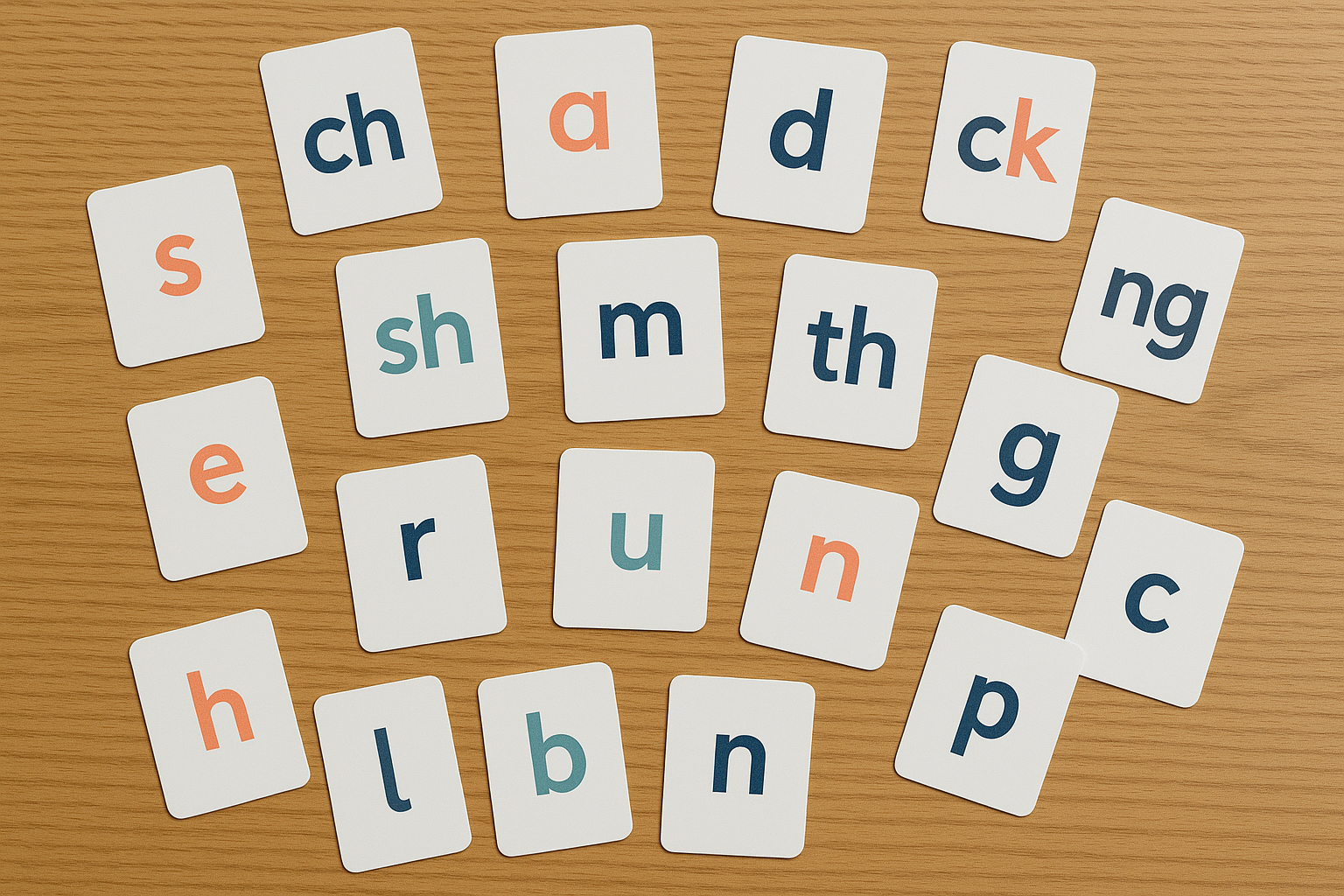
Returning to Phonics Reminded Me Why Early Reading Matters So Much
Last week I stepped back into a Reception classroom after a little time away from early-years teaching, and it was like being handed a reminder of why phonics is such a powerful, beautiful part of a child’s educational journey. Watching four- and five-year-olds crack the code of written language never loses its magic. I saw children confidently recognising graphemes I knew they had only recently been introduced to, segmenting new words with real pride, and blending sounds together to read in a way that was nothing short of astonishing.
What struck me again, clearly and loudly, is that this progress isn’t accidental. It comes from routine, consistency, and from teachers following a structured, research-backed phonics programme with real integrity. When a school commits to a systematic synthetic phonics (SSP) approach, and teachers deliver it faithfully, children flourish. You can see it in their developing phonological awareness, their growing independence, and the little spark they get when they realise, “I can read that!”
How Parents Can Support Without Disrupting the Routine
Parents often ask me how they can help at home, and the good news is: you absolutely can, but the way you support matters.
The single most important thing you can do is find out which phonics scheme your child’s school uses. Every validated SSP programme has its own order of introducing sounds, specific grapheme–phoneme correspondences, and precise pronunciation guidance. If you inadvertently teach a sound too early or model it differently, it can make reading more confusing for your child rather than easier.
So:
Ask the teacher or the school which scheme they follow.
Request any parent guidance that the school already provides. Most programmes have pronunciation videos or booklets.
Keep communication open. A quick chat at pick-up time or an email to the class teacher can help you know exactly how to complement what’s happening in the classroom.
Stick to the sounds they’ve learned so far. Supporting consolidation is far more helpful than pushing ahead.
Celebrate effort as much as accuracy. Confidence is a major factor in early reading success.
A well-aligned home–school partnership doesn’t disrupt the routine; it strengthens it.
Phonics Tuition: In Person or Online
For parents looking for additional support, I also offer one-to-one phonics tuition, both in person and online. The online sessions use interactive tools that mirror what children experience in the classroom, which makes learning feel purposeful and fun.
If you feel your child would benefit from a targeted boost, or if they’ve fallen behind and need a structured, reassuring approach, please get in touch. I’m always happy to talk through what might help.
What I’m Reading
Homo Deus by Yuval Noah Harari – a jaw-dropping exploration of humanity’s past and the dizzying possibilities of our future. It’s the kind of book that makes you pause, look at the world around you, and wonder what sort of future the young humans we teach will eventually inherit.

Finding the Balance: Rewards, Sanctions and Building a Strong Class Culture
Class culture is subtle, but powerful. It’s the collective understanding of what we do here, how we speak to one another, and what we value. When that culture is deliberately shaped with warmth, structure, and high expectations, it begins to do the heavy lifting.
Teachers walk a constant tightrope when it comes to motivation. We want children to feel encouraged and supported, but we also want them to build the intrinsic motivation that underpins genuine learning. Too many rewards, and their value diminishes. Too few, and pupils feel unseen. Too much emphasis on sanctions, and a classroom becomes tense; too little, and expectations lose their meaning. The real art lies in finding the balance.
The Value – and Limits – of Rewards
Rewarding good learning behaviour matters. When pupils feel their effort is recognised, they are more likely to repeat it. A simple verbal acknowledgement, a note home, or a well-timed positive point can reinforce a clear message: your choices matter.
But rewards quickly lose impact when handed out too freely. When every small action earns a sticker or a point, the motivational value drops. More importantly, children become dependent on external validation rather than developing perseverance, curiosity and pride in their own progress.
The aim isn’t to create reward-chasers. It’s to help pupils notice what good learning feels like – focused, satisfying, calm, productive, so that over time, the reward becomes internal.
Clear and Consistent Sanctions
The other side of this equation is equally important. Sanctions aren’t about punishment; they’re about boundaries. Pupils need to know what will happen if they cross the line and that the response will be the same every time.
Consistency is what builds trust. It turns behaviour management from a negotiation into a structure. A predictable system removes emotion from the process and reassures pupils that the classroom is a safe, fair environment. When expectations are firm but reasonable, sanctions become less about stopping poor behaviour and more about protecting everyone's learning time.
The Power of Class Culture
Rewards and sanctions alone cannot create the kind of classroom where pupils thrive. That foundation is laid in the first term, when routines, norms and relationships are being built.
Class culture is subtle, but powerful. It’s the collective understanding of what we do here, how we speak to one another, and what we value. When that culture is deliberately shaped with warmth, structure, and high expectations, it begins to do the heavy lifting.
In a strong class culture, even the “class clowns” start to recognise that their audience has changed. Their peers aren’t impressed by disruption; they’re invested in their own learning, social currency shifts. Children begin to support one another in making positive choices, not because of a sticker chart, but because it’s who we are as a class.
That’s when motivation becomes meaningful: when it comes from belonging, purpose and shared pride.
What I’m Reading
I’m currently reading Foucault’s Pendulum by Umberto Eco, a novel that plays with the boundaries between truth and fantasy. It’s a timely reminder that intellect and rationality don’t always walk hand in hand, and that the stories we choose to believe can shape our behaviour far more than facts alone.
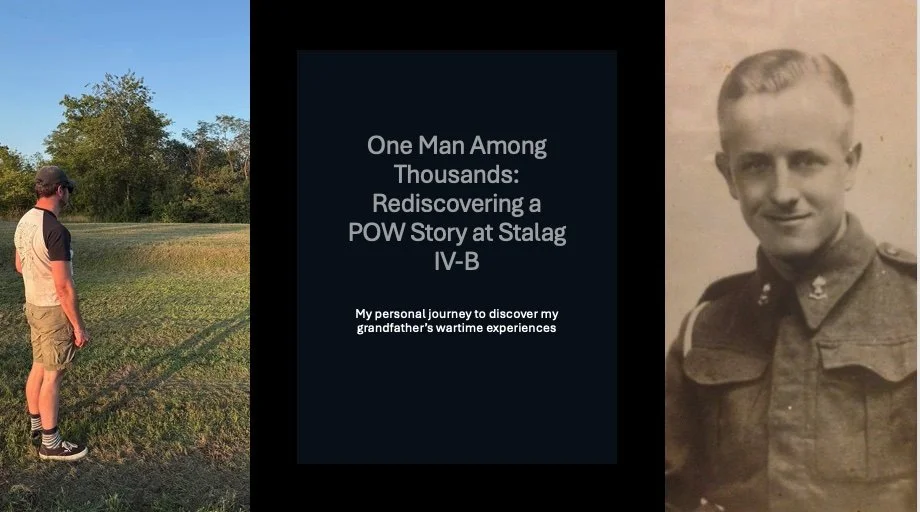
What My Grandfather Taught Me About Teaching Historical Enquiry
A journey from family silence to historical evidence, uncovering one soldier’s WWII story and transforming it into a lesson in real historical enquiry.
As Remembrance Sunday approaches, classrooms, families and communities often pause to honour stories of courage, service and sacrifice. This year, for me, that reflection has been deeply personal.
Recently, I delivered a talk at The Hold, Ipswich Archives, about my grandfather, Stanley Rose, a gunner in the 67th Medium Regiment, Royal Artillery, captured at Tobruk in 1942 and held as a prisoner of war in Stalag IV-B.
What started as a family question became a research journey — and ultimately, a powerful model for how we teach historical enquiry.
Please watch my talk (which my father kindly recorded) below:
The space between memory and evidence
Growing up, our family knowledge of Stanley’s wartime experience came from two fragile threads:
A handwritten note my grandmother kept, summarising what she knew
Fragments of conversations my father once had with former comrades of my grandfather — men who recognised his regiment, remembered the desert, or recalled the camp, and filled in small details the family had never heard before
There were no long retellings. No stories offered or pressed for. No neat narrative to inherit.
Only snippets, impressions, and silence.
That silence became the starting point.
Because this is where real historical enquiry begins:
What can we prove from the evidence we have?
What questions does it raise?
What might be true, but cannot be confirmed?
And how do we honour a story without inventing what is missing?
These are the same questions we ask students when teaching history well.
From fragments to facts
Using that note and those remembered conversations as clues, I began tracing archival records through:
the International Committee of the Red Cross
wartime service records
POW camp transfer lists
regimental histories
geographical movement across war fronts
A timeline slowly formed, from Suffolk, to the Western Desert, to capture at Tobruk, to Italy, then by overcrowded train to Stalag IV-B in Germany after the 1943 Italian armistice.
His POW number, 224787, transformed him from a remembered man into a documented one.
Walking the ground history left behind
Last year, I travelled to the site of Stalag IV-B in Mühlberg.
There is no museum.
No reconstructed barracks.
No guided tour.
Instead, there are quiet fields partitioned by hedgerows, brick outlines of former huts, the remains of camp latrines, a scattering of memorials, and the weight of absence. Nearby lies a cemetery — not for the Allied POWs, but for the thousands of German prisoners who later died there in Soviet custody, a layered testament to the long shadow of that place.
Standing there, I realised something central to both remembrance and history teaching:
History does not always speak loudly. Sometimes it speaks through gaps, traces, and quiet landscapes.
Why this matters in the classroom
The value of this journey is not simply in retelling a family story.
It is in modelling how history is uncovered, not inherited.
This is the work we want children to do:
Interrogate a primary source
Test reliability and limitation
Distinguish evidence from inference
Build a narrative that respects truth without embellishment
See individuals inside vast historical events
Because history is not just information to absorb. It is a discipline of curiosity, patience, and respect.
A simple lesson rooted in real enquiry
(A classroom or 1:1 activity, ages 9–14)
Starting point
Show one source (for example, a handwritten recollection).
Ask students to split a page into two columns:
What this provesWhat we think might be true but can’t prove
Investigative phase
Provide three source types:
A family account or testimony
An official document
A map showing movement
Ask students to:
Extract 3 facts from each source
Write 2 questions each source raises
Identify 1 limitation per source
Plot movement chronologically on a blank map
Writing prompt
“From the evidence, we can say that…”
(no invented details - inference must be clearly labelled)
Reflection
Why do individual stories matter when studying events involving millions?
What I learned
My grandfather rarely spoke of the war.
But in reconstructing his silence, I found the blueprint for how history should be taught:
Not as a list of answers,
but as a process of discovery.
On this 10th of November, as we prepare for Remembrance, his story reminds me that commemoration is not only about looking back, it is also about equipping the next generation to ask, question, evidence and understand.
Because remembrance is not passive.
It is enquiry.
It is attention.
It is care.

A return to environmental education (briefly)
As I return to teaching after half-term, I am reflecting on how lucky I was to get out and about in nature during the holidays. I was able to return to Moray, Scotland, to work with the incredible environmental education charity Wild Things. With instructors Paul and Jamie, we took a group of Primary 2 to Primary 7 children from local schools to the woodland on the Moray Firth coast. The children were selected because they come from Forces families based at RAF Lossiemouth and Kinloss Barracks. They were chosen to be part of the group to help them settle into their new homes and schools.
What a fantastic experience it was. The weather wasn’t great, but with some resilience and problem-solving, we were able to set up the tarpaulins, and a more than adequate shelter served us well whenever the weather was poor. We started with the classic Meet a Tree activity, where the children guided their blindfolded companions to various trees. This was followed by one of my favourite activities, where the children made nests for toy birds, created their own dawn chorus and had to collect ‘food’ for their birds, all the while avoiding predators! The children loved every second, and it was an absolute honour to be part of the fantastic work that Wild Things do again. It had been a while since I had last been out with the team, and it was good to know that I still love working with kids outside just as much as I used to.
What a fantastic week, and part of me will miss the great outdoors when I am back teaching in class this week!
I can’t wait until I get to join the Wild Things team for another expedition!
Wild Things is a charity constantly seeking donations to support the fantastic work they do. Find out more at https://wild-things.org.uk